

Dementia Home Care: Providing Compassionate Support
Dementia is a broad term that encompasses a range of cognitive impairments, significantly affecting memory, thinking, and social abilities. It is not a single disease but rather a collection of symptoms that can arise from various underlying conditions, the most common being Alzheimer’s disease. Individuals with dementia may experience difficulties in remembering recent events, recognizing familiar faces, or even performing everyday tasks.
This progressive condition can lead to significant changes in personality and behavior, making it essential for caregivers and family members to understand its complexities. The impact of dementia extends beyond the individual diagnosed; it also profoundly affects family dynamics and relationships. As cognitive functions decline, the person may become increasingly reliant on caregivers for support.
This reliance can create emotional strain, as loved ones grapple with the loss of the person they once knew. Understanding dementia is crucial for caregivers, as it allows them to approach their roles with empathy and patience, fostering a supportive environment that can enhance the quality of life for those affected.
Key Takeaways
- Dementia requires understanding its symptoms and progression to provide appropriate care.
- Compassionate support is crucial for the emotional well-being of dementia patients.
- A safe, comfortable environment helps reduce confusion and anxiety in dementia patients.
- Clear, patient communication improves interactions and reduces frustration.
- Caregivers need self-care and access to resources to sustain effective dementia home care.
Importance of Compassionate Support
Compassionate support is vital for individuals living with dementia. This condition can lead to feelings of confusion, frustration, and isolation. Caregivers who provide empathetic assistance can help alleviate these feelings, creating a sense of security and comfort for the person in their care.
Compassionate support involves not only meeting physical needs but also addressing emotional and psychological well-being. By offering reassurance and understanding, caregivers can help individuals navigate the challenges posed by dementia. Moreover, compassionate support fosters a deeper connection between caregivers and those they assist.
When caregivers approach their responsibilities with kindness and patience, they create an environment where individuals feel valued and respected. This connection can significantly enhance the overall experience for both parties, leading to improved emotional health and a more positive atmosphere at home. Caregivers should strive to cultivate this compassion in their daily interactions, recognizing that their approach can profoundly influence the quality of life for those living with dementia.
Creating a Safe and Comfortable Environment
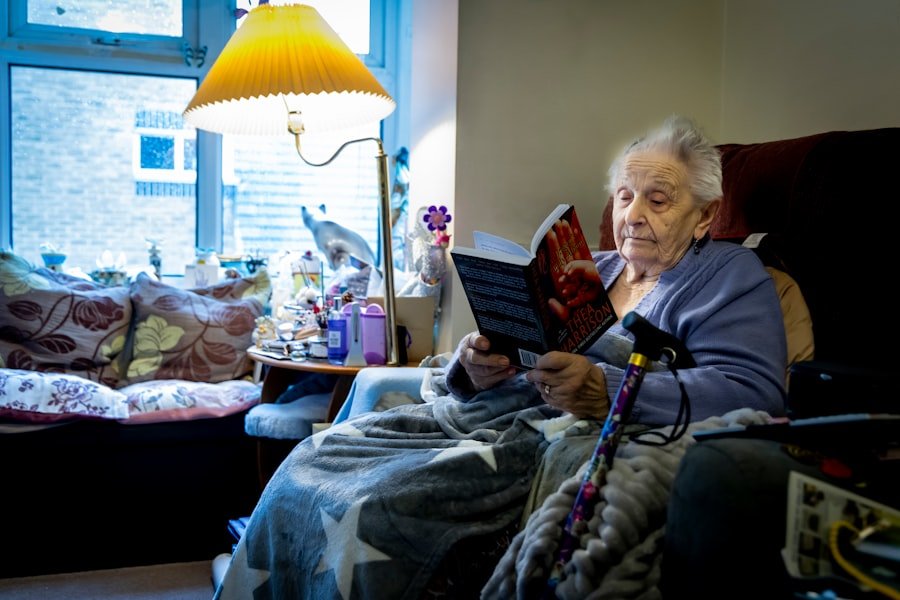
A safe and comfortable environment is paramount for individuals with dementia. As cognitive abilities decline, familiar surroundings can become disorienting or even frightening. Therefore, caregivers must take proactive steps to modify the living space to minimize risks and enhance comfort.
Simple changes, such as removing tripping hazards or ensuring adequate lighting, can significantly improve safety. Additionally, creating a predictable routine can help individuals feel more secure in their surroundings. Comfort is equally important in fostering a positive atmosphere.
Personalizing the living space with familiar items—such as photographs, favorite blankets, or cherished mementos—can evoke pleasant memories and provide a sense of belonging. Caregivers should also consider sensory elements like soothing colors, calming scents, and soft textures to create a warm environment. By prioritizing safety and comfort, caregivers can help individuals with dementia feel more at ease in their homes, ultimately enhancing their overall well-being.
Effective Communication Strategies
Effective communication is essential when caring for individuals with dementia. As cognitive functions decline, traditional methods of communication may become less effective. Caregivers should adapt their strategies to ensure that messages are conveyed clearly and compassionately.
One effective approach is to use simple language and short sentences, which can help reduce confusion. Additionally, maintaining eye contact and using non-verbal cues—such as gestures or facial expressions—can enhance understanding. Active listening is another critical component of effective communication.
Caregivers should give their full attention to the individual, allowing them to express themselves without interruption. This practice not only fosters trust but also encourages individuals to share their thoughts and feelings more openly. It is important for caregivers to remain patient and avoid correcting or arguing with the person, as this can lead to frustration and withdrawal.
By employing these strategies, caregivers can create a more supportive communication environment that respects the dignity of those living with dementia.
Activities and Stimulation for Dementia Patients
| Metric | Description | Typical Range/Value | Source/Notes |
|---|---|---|---|
| Average Duration of Home Care | Length of time dementia patients typically receive home care services | 1 to 3 years | Varies by disease progression and care needs |
| Caregiver to Patient Ratio | Number of caregivers assigned per dementia patient in home care | 1:1 or 1:2 | Depends on care intensity and patient needs |
| Average Hours of Care per Week | Typical weekly hours of professional home care provided | 20 to 40 hours | May increase with disease progression |
| Common Services Provided | Types of care services offered in dementia home care | Personal care, medication management, companionship, meal prep | Essential for daily living support |
| Patient Safety Incidents | Frequency of safety-related incidents during home care | 5-10% annually | Includes falls, medication errors |
| Caregiver Burnout Rate | Percentage of caregivers experiencing burnout in dementia home care | 30-50% | High due to emotional and physical demands |
| Patient Satisfaction Rate | Percentage of patients/families satisfied with home care services | 75-90% | Based on surveys and feedback |
| Cost of Home Care (Monthly) | Typical monthly cost for dementia home care services | Varies widely by region and care level | Not included as per instructions |
Engaging individuals with dementia in meaningful activities is crucial for maintaining cognitive function and emotional well-being. Activities should be tailored to the individual’s interests and abilities, promoting a sense of accomplishment and joy. Simple tasks such as gardening, painting, or listening to music can provide stimulation while also serving as an opportunity for social interaction.
These activities not only help keep the mind active but also foster connections between caregivers and those they assist. Incorporating routine activities into daily life can also be beneficial. For instance, cooking together or participating in light exercise can promote physical health while providing opportunities for bonding.
Caregivers should aim to create a balanced schedule that includes both stimulating activities and moments of relaxation. By prioritizing engagement through enjoyable activities, caregivers can enhance the quality of life for individuals with dementia while also nurturing their emotional health.
Managing Challenging Behaviors
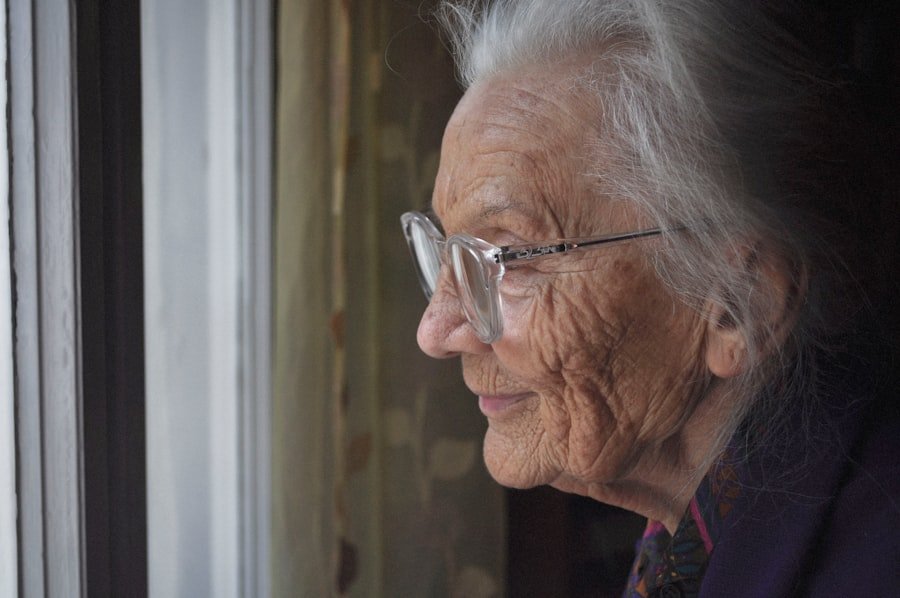
Managing challenging behaviors in individuals with dementia requires a thoughtful approach rooted in understanding and empathy. As cognitive decline progresses, individuals may exhibit behaviors such as agitation, aggression, or withdrawal. These behaviors often stem from confusion or frustration rather than intentional defiance.
Caregivers must remain calm and patient when faced with these challenges, recognizing that their response can significantly influence the situation. Identifying triggers is essential in managing challenging behaviors effectively. Caregivers should observe patterns in behavior to determine what may be causing distress—whether it be environmental factors, unmet needs, or communication difficulties.
Once triggers are identified, caregivers can implement strategies to mitigate them. For example, if an individual becomes agitated in crowded spaces, it may be beneficial to create a quieter environment or engage them in one-on-one activities that promote calmness. By approaching challenging behaviors with compassion and understanding, caregivers can foster a more harmonious living environment.
Caregiver Self-Care and Support
Caregiving for individuals with dementia can be emotionally taxing and physically demanding. Therefore, caregiver self-care is essential for maintaining personal well-being while providing quality support to others. Caregivers must prioritize their own health by engaging in regular physical activity, maintaining a balanced diet, and ensuring adequate rest.
Taking time for oneself is not selfish; it is necessary for sustaining the energy required to care for someone else effectively. Additionally, seeking support from others can alleviate feelings of isolation that often accompany caregiving roles. Joining support groups or connecting with other caregivers can provide valuable insights and emotional encouragement.
Sharing experiences with those who understand the unique challenges of dementia care can foster a sense of community and belonging. By prioritizing self-care and seeking support when needed, caregivers can enhance their resilience and ability to provide compassionate care.
Resources for Dementia Home Care
Numerous resources are available to assist families navigating the complexities of dementia home care. Local organizations often provide educational materials, support groups, and workshops designed to empower caregivers with knowledge and skills necessary for effective care. Online platforms also offer valuable information on best practices in dementia care, including communication strategies and activity suggestions.
In addition to educational resources, families may consider professional home care services specializing in non-medical support for individuals with dementia. These services can provide trained caregivers who understand the unique needs of those living with cognitive impairments. Utilizing these resources not only enhances the quality of care but also allows family members to focus on their own well-being while ensuring their loved ones receive compassionate support.
Key Takeaways – Understanding dementia is crucial for caregivers to provide empathetic support that enhances quality of life.
– Compassionate assistance fosters deeper connections between caregivers and individuals living with dementia.
– Creating a safe and comfortable environment minimizes risks while promoting emotional well-being.
– Effective communication strategies are essential for fostering trust and understanding.
– Engaging individuals in meaningful activities helps maintain cognitive function and emotional health.
– Caregiver self-care is vital for sustaining energy levels and providing quality support over time.
– Numerous resources are available to assist families in navigating dementia home care effectively.